We would like to extend our warmest welcome to everyone for the 2024-2025 committee year. We ended our last term on a great note! Our ICLC newsletter and policy on the Hazara were all recognized as achievements for the International Law Section year, under the leadership of David Schwartz. As we continue into this new term, we are hoping to achieve more and create more opportunities for our committee members. This year our International Law Section Chair is Yee Wah Chin, who has already set up the upcoming conferences for the ABA in London (November), Singapore (February), and the ILS annual meeting in New York in the spring.
In addition to those larger section conferences, we have the section support for a CLE taking place in Orlando, Florida, November 15 — 16, 2024. This is an in-person event at Barry University School of Law focusing on Mass Atrocities and the Environment. We will be posting website links for registration shortly!
For the rest of the Fall quarter we will continue our famous webinar series, including our newest addition to the line up — “Meet the Scholar.” As always, if you are interested in working on an international criminal law issue with the committee or would like to moderate one of our upcoming webinars, please reach out to Tim Franklin or myself!
Best Regards, Regina Paulose Co-Chair, ICL Committee
In our next session of “Meet the Scholar,” we will be joined by Dr. Sheri Labenski, who will discuss her latest monograph, Women Defendants in International Law: Feminist Dialogues (Routledge, 2024). Dr Labenski’s book addresses the largely neglected place of women defendants in contemporary international criminal law, beyond the construction of women as victims, and asks what the analysis of women perpetrators, defendants and suspects reveals about international criminal law, the media and feminism.
Dr. Labenski is a Lecturer and the Senior Tutor for the Department of Law at Goldsmiths, University of London, where she convenes the module English Legal System in a Global Context and contributes to courses on Gender, Sexualities and the Law, Contract Law, International Law and Politics, and Advanced Criminal Law and Criminal Justice (LLM). Her research is deeply rooted in feminist legal theory, focusing on the intersections of gender, peace, and international law.
Dr. Labenski’s research interests span gender, feminist approaches to international law, armed conflict, and peace studies. She is particularly focused on the ways gender dynamics shape both international legal proceedings and broader concepts of justice and accountability. Her work is recognized for pushing the boundaries of traditional legal scholarship by introducing feminist critiques into areas like international criminal law, where the roles of women, whether as perpetrators or victims, have often been overlooked or misunderstood.
“Meet the Scholar” is an online series hosted by the American Bar Association’s International Criminal Law Committee. Occurring on the second Tuesday of every month, each session features a discussion with the author of a recent, influential work in international criminal law. The series takes an informal, conversational approach that encourages attendees to participate actively, exploring the decisions, challenges, and insights that shaped the scholar’s journey from research to publication. “Meet the Scholar” offers a unique forum for connecting with leading minds in international criminal law and gaining perspectives on the latest developments in the field.
We are excited to announce the launch of our new online series, “Meet the Scholar.” This series is designed to facilitate direct engagement between members of the ABA International Law Section and leading voices in legal scholarship. The sessions will be informal and conversational, fostering a relaxed atmosphere that encourages active participation from attendees.
On the second Tuesday of each month, we will host a conversation with the author of a recent and notable publication in international criminal law. The discussion will explore the central themes and ideas of the work, while also offering insights into the scholar’s research process, the challenges they navigated, and the creative choices that guided their writing.
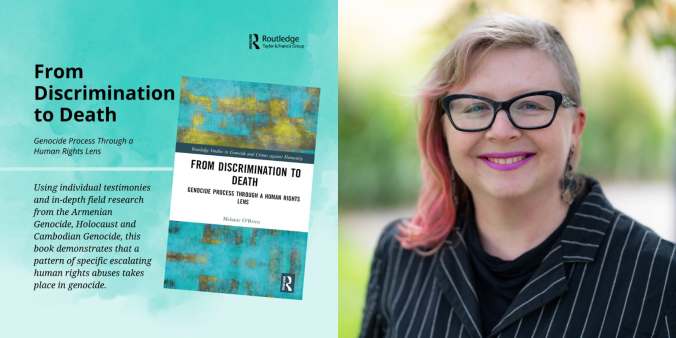
The International Criminal Court has cited Dr O’Brien’s work on forced marriage, and she has been an ICC amica curia. She has been an expert consultant for multiple UN bodies and is widely consulted by global media for her expertise on international criminal law. She has conducted fieldwork and research across six continents. Dr O’Brien is a member of the WA International Humanitarian Law Committee of the Australian Red Cross.
This program is free to attend. Advance registration is required. Please register here:
RESOLVED, That the American Bar Association urges the United States Department of State Office of Global Criminal Justice to investigate and publish updated findings on the question of genocide, crimes against humanity, and other human rights violations in Tibet; and
FURTHER RESOLVED, That the American Bar Association urges the United Nations Human Rights Council to appoint a special rapporteur on the situation concerning Tibet and to include the situation of Tibet on its agenda.
The adoption of this Resolution by the House of Delegates establishes it as officially binding policy of the American Bar Association.
This Resolution was originally introduced by the International Criminal Law Committee, and was sponsored by the ABA International Law Section with co-sponsorship from the Section of Civil Rights And Social Justice, the Center For Human Rights, and the Criminal Justice Section of the American Bar Association.
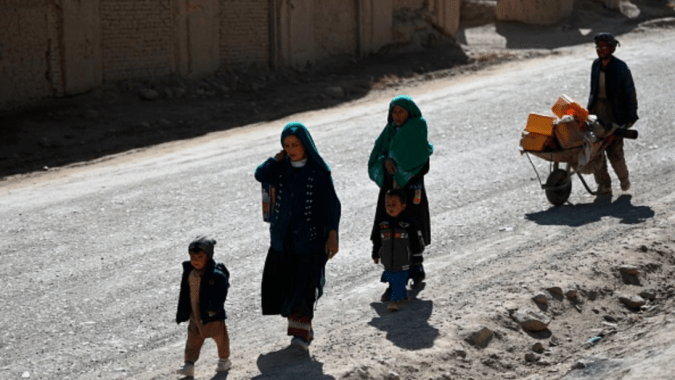
RESOLVED, That the American Bar Association urges all governments to recognize, stop, and prevent further acts of genocide perpetrated against the Hazara people in Afghanistan;
FURTHER RESOLVED, That the American Bar Association urges the United States Department of State Office of Global Criminal Justice to promote justice and accountability efforts to end impunity for genocide in Afghanistan; and
FURTHER RESOLVED, That the American Bar Association urges the Congress to take action to strengthen national, regional, and international frameworks for preventing mass atrocities in Afghanistan and protecting at-risk groups like the Hazara.
The adoption of this Resolution by the House of Delegates establishes it as officially binding policy of the American Bar Association.
Our committee introduced the resolution based on a policy paper written by its co-chairs. It received sponsorship from the ABA International Law Section and co-sponsorship from the Section of Civil Rights And Social Justice, Center For Human Rights, and Criminal Justice Section.
Presented by the American Bar Association International Criminal Law Committee
This program was recorded on August 7, 2024 at 12 noon ET. Watch the video recording here or on our YouTube channel.
The term mass grave lacks a universally accepted legal definition in international law. However, various legal instruments under international humanitarian law, including Additional Protocol I, aim to promote the protection of mass graves and ensure the dignity of the deceased.
Dr. Laurie W. Rush has a BA from Indiana University Bloomington, an MA and PhD from Northwestern University, and is a Fellow of the American Academy in Rome. Her research specialty is Native Americans of the Great Lakes, and she is an Army Archaeologist who serves as Cultural Resources Manager and Native American Affairs Coordinator for the 10th Mountain Division and Fort Drum. Dr. Rush is a Research Associate of the Smithsonian Institution, a University of Pennsylvania Consulting Scholar, Secretary of the US Committee of the Blue Shield, and is internationally recognized for her work on miliary education for protection of cultural heritage.
Awring Shaways is the founder of KG Lobby Center, Shaways has been instrumental in raising awareness about the plight of the Kurdish people and advocating for their rights. As KG Lobby Center they have tirelessly fought for the acknowledgment of the atrocities committed against the Kurdish people and have worked to ensure that their history and suffering are not forgotten. Throughout her career, she has worked extensively with women organizations, specifically Kurdish women and refugees, showcasing her commitment to promoting gender equality and empowering women.
Imraan Mir is a lawyer, entrepreneur and author. His Kashmir-related work involves research, writing and advocacy to improve understanding of historic and contemporary realities and to promote accountability for rights violations. He has done human rights-related work on Kashmir since the late 1990s independently and through various organizations, including the Kashmir Law and Justice Project. He holds a J.D. from Harvard Law School.
The panel was moderated by Vy Nguyen, Vice Chair ICLC.
As the current bar year draws to a close, we want to express our appreciation for the dedication and hard work of our members and colleagues in advancing the field of international criminal law. Though the calendar may suggest an ending, our pursuit of the rule of law is ongoing. Let’s hold tightly onto the lessons we’ve learned and the momentum we’ve gained so that we can be ready to confront the challenges that await us with renewed determination.
One of the highlights of being in ICLC is the opportunity to engage with remarkable guest speakers during its frequent programming events. Our recent guests have been exceptional, and the discussions have been enlightening. You can find recordings of many of our webinars on our Committee website and YouTube channel, with more recordings to be added soon. Our next program will be on August 7, when we’ll discuss issues surrounding mass graves in different international contexts.
We’re taking a brief break until then, but in the meantime, look for the release of the 2023 Year in Review, due out this summer. ICLC’s contribution to the upcoming edition includes updates on Tigray, Iran, and Myanmar.
Thank you for your support, your input, your inspiration, and your dedication.
Warm regards, The International Criminal Law Committee
Program recorded Wednesday, June 19, 2024 at 12:00 PM ET
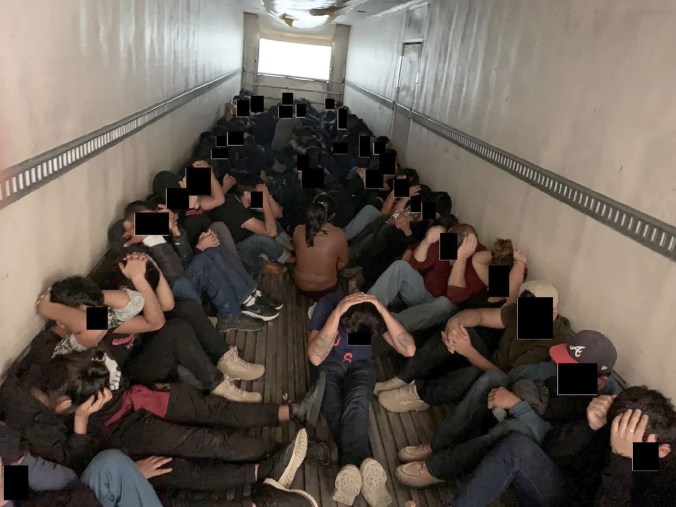
Human trafficking, also referred to as modern slavery, is a heinous crime that has shown no signs of abating. Throughout the world, human trafficking in all its various forms continues despite national, regional, and international instruments such as the United Nations Transnational Organized Crime Convention’s Palermo Protocols, which focus on trafficking and smuggling.
While there is a clear need to strengthen existing laws worldwide, victims of human trafficking continue to come forward to make a difference. This has led to increased visibility of different victim groups, initiatives considering different types of trafficking, and movements towards protecting victims of human trafficking, such as the Non-Punishment Principle. Additionally, with the rise of artificial intelligence, the internet has emerged as a new battleground requiring strong measures to safeguard people from online exploitation and scams.
Join this international panel of lawyers, academics, and investigators as they discuss their work in combatting human trafficking.
With almost three decades of legal expertise in representing victims of human rights and human trafficking violations in their national and international court cases, alongside an unparalleled legal practice in providing high-level legal advice to organisations, Parliaments and States on trafficking and modern slavery laws, she is a multi-award winning, world-leading expert on the law relating to human trafficking, including for the United Nations and the Council of Europe.
Her landmark work and cases to protect victims and to require legal accountability by States for their safeguarding failures have given rise to a wealth of trafficking precedents in court judgments with far-reaching global influence in the anti-trafficking field, including in matters as diverse as asylum, non-punishment protection, criminal, sexual and child exploitation, slavery, servitude, forced labour, compensation and the legal accountability of diplomats for human trafficking.
She is the General Editor and co-author of the Human Trafficking Handbook, the world’s first multidisciplinary textbook on tackling trafficking (LexisNexis, 2011), a co- author of the Council of Europe’s comprehensive e-learning course on Combating Human Trafficking (2018, 2024 editions), the author of the Model Law on Orphanage Trafficking (Lumos, 2021), a member of the expert working group on orphanage trafficking of the Interparliamentary Taskforce on Human Trafficking and an expert advisor on sports trafficking for the NGO, Mission 89. She has contributed to numerous high-level publications on trafficking, including for the OHCHR, UNODC, OSCE, and has provided extensive training and legal advice to parliamentarians of Commonwealth States supported by the British Parliament’s Modern Slavery Project.
She brings cases, teaches, advises, publishes, provides legal training and supports civil society organisations that work towards protecting victims of trafficking the world over.
Cara Rose currently serves as the Unit Chief over Programs which encompasses the Training and Outreach and Victim Protection sections at The Department of Homeland Security‘s Center for Countering Human Trafficking (CCHT). Prior to that she was assigned as the Section Chief over Training and Outreach at the CCHT, organizing and fulfilling training requests both domestically and internationally. Prior to transitioning into her roles at the CCHT, she was the Human Exploitation Group Supervisor at the Homeland Security Investigations (HSI) Office in Baltimore, Maryland. She has 22 years of federal law enforcement experience including working as a U.S. Border Patrol Agent in Yuma, Arizona and Detroit, Michigan before joining HSI in 2008.
Ms. Rose has worked human smuggling and human trafficking investigations as a Special Agent in both Detroit and Maryland’s Eastern Shore areas of responsibility prior to becoming a supervisor. Since 2008, Ms. Rose has been committed to providing victim protection assistance and human trafficking outreach to law enforcement, non-governmental organizations, medical professionals, social service providers, and other community and religious organizations while also actively investigating and supervising cases of human exploitation and other Homeland Security-related offenses.
Joseph Andrew Kalie Sesay is a Sierra Leonean working as State Counsel and Customary Law Officer in the Law Officers’ Department, Office of the Attorney General and Ministry of Justice, Sierra Leone. He holds a Bachelor of Arts Degree specializing in International Relations, a Bachelor’s Degree in Laws with Honours (LL.B Hons.) from the Fourah Bay College, University of Sierra Leone, and a Barrister-at-Law Degree (B.L) from the Sierra Leone Law School, where he was called to the Bar in November 2012. Prior to joining the Law Officers’ Department, he worked as a Barrister and Solicitor of the High Court of Sierra Leone as a Criminal Defence Counsel and later as a Consultant Prosecutor, prosecuting sexual offenses and financial crimes. He also served as Senior Trial Monitor at the United Nations-backed Special Court for Sierra Leone and the National Courts, where he looked at the conduct of proceedings, basic procedural improprieties, substantive legal issues in decisions, etc. He was also engaged in the analysis of legacy and residual issues as part of the Special Court’s winding-up strategy.
Mr. Sesay has been practicing for an uninterrupted eleven years and has a wealth of experience in financial investigations, counterfeit pharmaceuticals, public health-related crimes, and human trafficking, having attended various national and international training in intellectual property enforcement, financial investigative techniques, money laundering, and other public health crimes.
Presently, Joseph serves as State Counsel and also doubles as the Customary Law Officer. He is in charge of proffering legal opinions and prosecuting all criminal offenses in the High Court of Sierra Leone Holden in the North-East Region of the Republic of Sierra Leone.
Prof. Jill E.B. Coster van Voorhout is a Professor of Socio-Legal Studies at Vrije Universiteit Amsterdam and Associate Professor in (International) Criminal Law and Human Rights at Maastricht University. She publishes extensively in interdisciplinary fields, including improving financial investigations into human trafficking. As Project Director and Principal Investigator of the five-year project COMCRIM, she leads a public-private research consortium of more than 28 scholars from more than nine disciplines who jointly examine the systemic factors of organized crime. In COMCRIM, public and private partners collaborate to detect such crime using unconventional data sources such as banking records, follow the money, and discern criminal networks, patterns, and effects. Intended results are more proactive, evidence-based interventions that foster the resilience of democracy and the rule of law (COMCRIM and on NWO’s website, under budget range of 2-5 million euros, NWA-ORC).
She is also Research Lead on Crime and Terrorism at the Amsterdam-based Institute for Advanced Study (IAS).
Sean Bardoo serves as the Human Rights Ambassador for Queen Maria Amor. He is an expert with extensive experience combating sex and human trafficking in the United States and globally through education, policies, and procedures. His specialization includes the Middle Eastern, African, and American regions, with involvement in countries such as Qatar, Saudi Arabia, Uganda, Malawi, Nigeria, the United States, Brazil, India, and Nepal. Sean was honored as Man of the Year UAE-Dubai 2023 at the WCH Royal Summit.
He has been recognized for his efforts, including by the Mayors of Lowell and Lawrence, Massachusetts, for rescuing a young woman from Ohio who was in danger of being killed while being sex trafficked. He has spoken at various events and forums worldwide and has assisted numerous countries, agencies, governments, and law enforcement in developing a better understanding of the issues and solutions associated with combatting human trafficking. Additionally, he organizes campaign events to raise awareness and conducts workshops to educate and inform people about the sex and human trafficking industry.
A presentation of the International Criminal Law Committee. Co-sponsored by the South Asia, Oceania and India Committee and with cooperation from the International Association of Genocide Scholars.
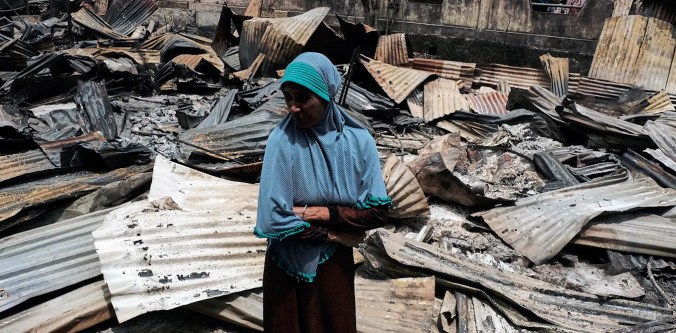
Since the 1960s, an estimated 500,000 West Papuans have been killed since Indonesia took over West Papua. State-perpetuated human rights violations have continued to take place, including arbitrary arrests of human rights defenders, extrajudicial killings, torture, and disappearances. Additionally, gender-based violence and environmental crimes remain prevalent.
Violence between the government and different factions has led to significant internal displacement, and military forces use the situation as a pretext to indiscriminately harm women and children. In the 2022 Universal Periodic Review cycle, multiple Papuan organizations reported that Papuan women experience “abusive interrogation and horrific torture” while detained by Government forces. There has been zero accountability in these situations. Furthermore, corporate-fueled mining, deforestation, and land grabs continue to cause pollution and environmental destruction of rainforests, mangroves, and water bodies.
Join our three speakers who will focus on gender-based violence, genocide, and climate crimes that are taking place in West Papua, and discuss the necessary actions to stop the continued commission of international crimes. This panel will provide an overview of the Hub’s initiatives during its initial year and outline initiatives for the coming year.
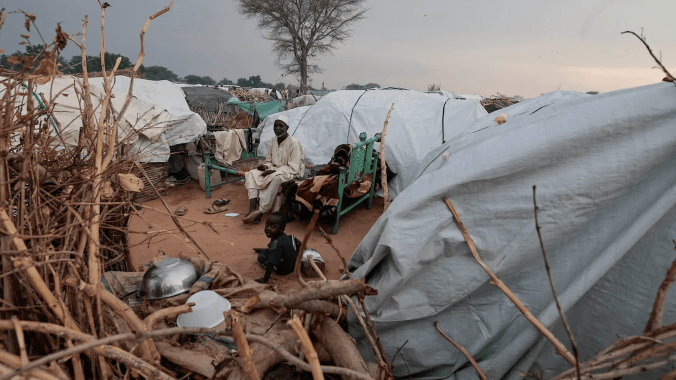
The ABA ILS International Criminal Law Committee and Raoul Wallenberg Centre for Human Rights (RWCHR) in partnership with the ABA ILS Africa Committee and the International Association of Genocide Scholars invite you to join the report launch of Breaches of the Genocide Convention in Darfur, Sudan: An Independent Inquiry. The Raoul Wallenberg Centre for Human Rights has published an extensively researched and well-documented report on the ongoing atrocities in Darfur, Sudan. This report is “the first independent legal inquiry into the liability of the principal actors responsible for the breaches of the Genocide Convention in Darfur.” The in-depth report covers the role of the Rapid Support Forces (RSF) and the allied militias in perpetrating genocide, the complicity of outside actors, and the role state parties to the Genocide Convention have in holding perpetrators accountable.
Come join the discussion with the lead authors of the report:






 International Criminal Law Committee